
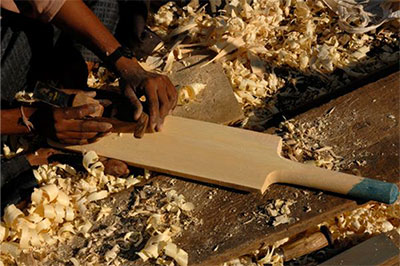
Kashmiri willow, specifically Salix alba, is a species of willow tree renowned for its high-quality wood used in crafting cricket bats. This variety of willow grows abundantly in the Kashmir Valley due to its favourable climate and soil conditions. The wood from Kashmiri willow trees is prized for its lightweight nature, durability, and excellent shock-absorbing properties, making it ideal for cricket bats.
The Kashmiri willow is characterized by its pale, creamy-white bark and slender branches. It thrives in moist, well-drained soils and is often cultivated in plantations dedicated to producing wood for cricket bat manufacturing. Cricket bats made from Kashmiri willow are favoured by players around the world, especially for recreational and junior cricket due to their affordability and decent performance characteristics. While not as highly regarded as English willow for professional cricket bats, Kashmiri willow bats provide a good balance of quality and cost-effectiveness, contributing significantly to the global cricket equipment market.
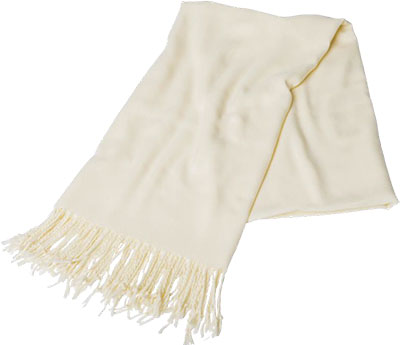
Pashmina shawls originate from the region of Jammu and Kashmir in northern India. They are crafted from the fine wool of the Pashmina or Changthangi goat, found in the Himalayan regions of the Indian state of Jammu and Kashmir. Known for their exceptional softness, warmth, and lightweight quality, Pashmina shawls are meticulously hand-spun, woven, and often intricately embroidered by skilled artisans. The wool is collected, cleaned, spun manually, and then woven into shawls using traditional handlooms. This craftsmanship can take weeks or even months to produce a single piece, reflecting the dedication and expertise of the craftsmen. Historically, Pashmina shawls were symbols of luxury and prestige, favoured by royalty and aristocracy. Today, they remain highly prized worldwide for their timeless beauty and cultural significance, representing both the rich heritage of Kashmiri craftsmanship and a sustainable, artisanal approach to fashion.
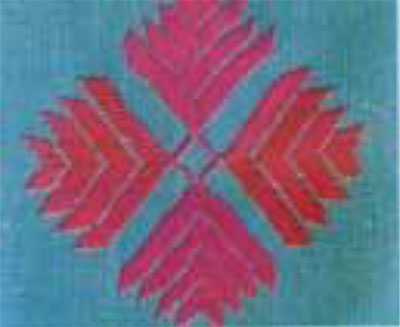
Phulkari, also known as crewel embroidery, is a traditional form of embroidery originally originating from the Punjab region but further modified and adopted in Kashmir. It involves intricate and colourful floral motifs stitched onto fabrics such wool, cotton, or silk using a hooked needle called a crewel. The name "phulkari" translates to "flower work," highlighting its emphasis on floral designs. This embroidery style gained popularity during the Mughal era in India and has since become synonymous with Kashmiri craftsmanship. Phulkari typically features vibrant threadwork, often in shades of red, blue, green, and yellow, contrasting beautifully against a plain or lightly patterned background fabric. Artisans skilled in phulkari meticulously create patterns that range from delicate vines and flowers to elaborate geometric designs, making each piece a unique work of art. Beyond its aesthetic appeal, phulkari also reflects Kashmir's rich cultural heritage and continues to be cherished globally for its beauty and craftsmanship in textiles and home decor items like shawls, cushions, and wall hangings.
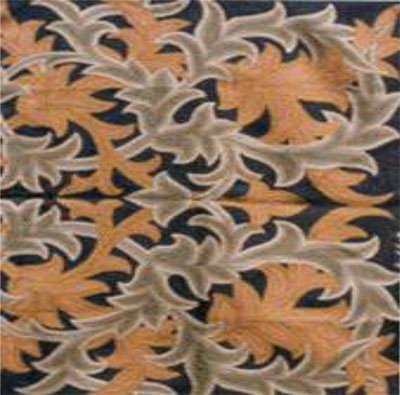
Natively known as "Jalakdozi"or chain stitch rugs are the speciality of Kashmir. These rugs are made on "hessain cloth" or hand made cotton cloth, in continued with superior woollen or silken yarn, with the help of a hook type tool natively "Aurah".The designs range from floral patterns to animal and human forms traced a designer, while the craftsman embroiders in two-ply or three ply woollen/silken yarn. Jalakdozi embroidery is celebrated for its fine craftsmanship and elaborate designs, often featuring floral motifs, paisleys, and intricate geometric patterns. Artisans skilled in Jalakdozi meticulously craft each piece by hand, using vibrant threads to embellish fabrics such as wool, silk, and cotton. The rug looks like carpet in which the pile is substituted by the texture. Chainstitch rugs is used both floor covering and wall hanging.
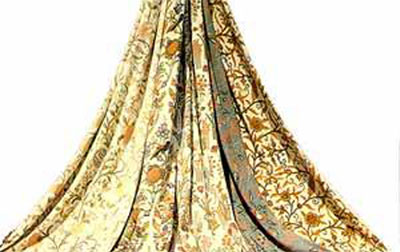
Crewel embroidery is a traditional style of embroidery that has been practised for centuries in the Kashmir valley of India. This type of embroidery is distinguished the use of fine, long-staple woollen yarn that is tightly twisted and dyed in a variety of colours. Crewel embroidery in Kashmir is also known as Kashida or Kani embroidery, and it is a treasured art form that has been passed down through generations of artisans. The skill of crewel embroidery has been honed by these artisans over the years, and they continue to produce intricate, beautiful pieces of embroidery that are highly prized. A special kind of embroidery done with a hook known as crewel is commonly used for drapery and upholstery. Rows of chain stitch done with hook from solid patterns usually rotating from centre & creating an embossed effect to add richness to the textile. Crewel embroidery is done on thick material popularly used for furnishing and usually carries floral and creeper designs. The designs are available in assortment of colours ranging from a single colour to multi colour embroidery.
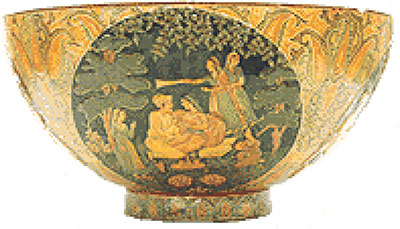
Papier Mache is one of the most popular of crafts practised in Kashmir. The tradition of the Kashmir Papier Mache has its origin rooted in the 15th century when king Zain-ul-Abidin invited accomplished artists and craftsmen from Central Asia. Papier Mache, a French word meaning "mashed paper" that has been widely used in both East and the West, is actually a special way to combine colour and line on moulded forms of various objects. It involves ornamentation in colour over smoothened surfaces built up of paper pulp or layers of paper. Paper pulp is not always found effective and is some times replaced by other substitutes. The colours painted on object are made from pigments diluted in water to which some glue is added to fix the ground on which it is used. The three categories of colours are a) mineral (both actual and artificial) b) organic (both plants insects etc.) c) Vegetables. The final objects papier mache is given one or two coats of varnish which besides giving it shine serves as a protective agent.
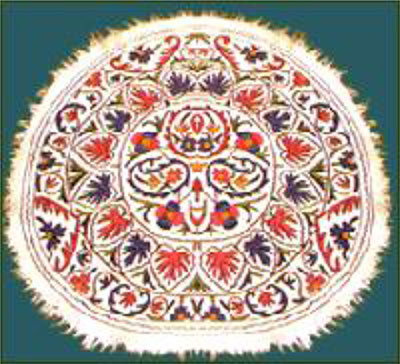
Namdha is a traditional form of felted woollen rug-making originating from the Kashmir region in India. It involves a meticulous process of felting wool, where wool fibres are tightly compressed and matted together using friction, moisture, pressure. This technique creates a dense and durable material suitable for crafting rugs and other textiles. The name "namdha" is derived from the Persian word "namad", which means felt. A hand made felt rug that makes excellent floor covering, made of unspun wool or wool and cotton pressed and felted in specific proportions, the rug originally came from Yarkand, Sinkiang and stayed to become an indigenous craft. Namdha rugs are typically thick and plush, providing warmth and comfort. They are often adorned with colourful embroidered designs, reflecting Kashmir's cultural motifs and traditions. Historically, namdha rugs were used as floor coverings in Kashmiri homes, providing insulation against the cold climate. Over time, they have become cherished pieces of art, valued for their craftsmanship and unique aesthetic appeal.
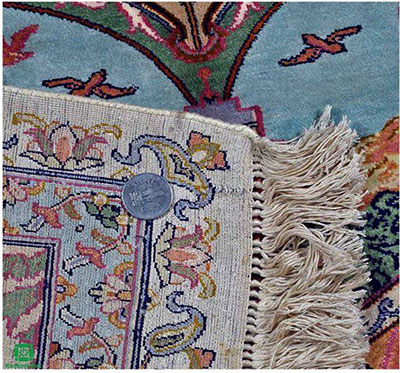
The origin of hand knotted carpets locally known as "Kal baffi" dates back to 15th century after which it progressively attained the high degree of perfection. It is said that Sultan Zain-ul-Abidin brought carpet weavers from Persia and central Asia in Kashmir to train the local inhabitants. Carpets from 200 knots to 900 knots/sq. inch both in wool & silk yarn have attained such excellence that they rank amongst the finest in the world. It demands a lot of menial work and takes at least 8 to 10 months for industrious weaving in making an intricate and good quality carpet. The loom used in Kashmir carpet weaving is composed of two horizontal wooden beams between which the wrap threads are stretched, one beam in front of the weaver and the second behind the first. The difference between a carpet and other hand woven rugs lies in the fact that short lengths of the thread or yarn are tied to wrap chains form the pile of the carpet. These are commonly called knots though it is a loop than an actual knot.
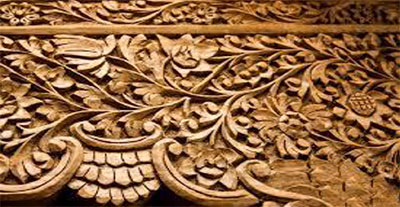
Carved walnut wood-work is among the most important crafts of Kashmir. Kashmir is now one of the few places in the world where walnut is still available at an altitude of 5500-7500 feet above see level. The wood is hard and durable, its close grain and even texture facilitating fine and detailed work. It also presents visually interesting effects with mere plain polished surfaces in fact in contemporary products, plain surfaces and small carvings are preferred, especially on trays, tables, bowls and similar items. A variety of carved products bear recurrent motifs of the rose, lotus, iris, bunches of grapes, pears and chinar leaves. Patterns taken from embroidered shawls find their place in wooden objects with deep relief carving. A variety of articles, both decorative and utilitarian, ranging from small items like bowls, trays, wall plaques and table lamps to screens, bedsteads and larger items of furniture are carved in walnut wood. Four main types of carving are usually practised in Kashmir-raised, engraved, undercut and plain. The carving of furniture and smaller items is an elaborate process and involves high degree of skill and craftsmanship. The carving is done with the help of small indigenous tools. The art of wood carving is centred in the city of Srinagar.
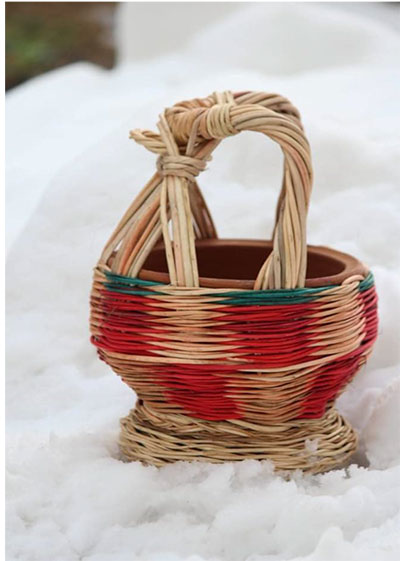
A Kangri is a traditional portable heating device used in Kashmir, primarily during the cold winter months. It consists of a small earthenware pot (usually made of clay or copper) encased in a wicker basket. The pot is filled with burning charcoal or hot embers obtained from a wood fire. The wicker basket insulates the heat and prevents direct contact with the skin, allowing the kangri to be held comfortably against the body or placed under clothing to provide warmth. The kangri is an integral part of Kashmiri culture, especially in rural areas and during outdoor activities in the winter. It serves as a cost-effective and efficient way to stay warm in the chilly Himalayan climate, where temperatures can drop significantly. Beyond its practical use, the kangri is also associated with cultural traditions and social rituals in Kashmir. It is often decorated with colourful threads, beads, and embroidery, making it a symbol of craftsmanship and identity. Despite modern heating alternatives, the kangri continues to hold cultural significance and remains a beloved icon of Kashmiri heritage.