

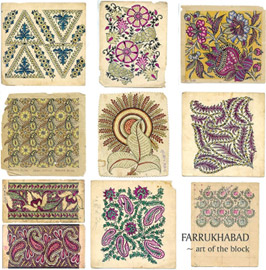
Farrukhabad, a city in Uttar Pradesh, is known for its excellent block printing history. This art genre has a long history, probably stretching back 1,000 years to the Mughal Empire, when founder Muhammad Khan supposedly established a guild of calico printers, laying the groundwork for this enduring art form.
The procedure entails laborious hand carving of motifs onto wooden blocks generally made of Sheesham wood. These blocks are then used to imprint elaborate designs on fabrics, typically cotton and silk. Farrukhabad block printing is recognised for its distinctive patterns, which include the "Tree of Life" motif and different "butis" (little flower designs).
Farrukhabad block printing is an important part of India's textile industry and cultural legacy, as well as a source of pride for the local community.
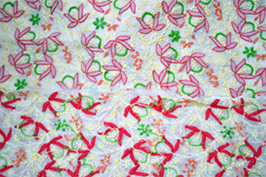
Chikankari, a captivating embroidery style from Uttar Pradesh, India, is renowned for its delicate and intricate white-on-white threadwork. Primarily practised in Lucknow and surrounding areas, Chikankari's name holds various possible origins. Some believe it stems from a Persian term meaning "delicate patterns on fabric," while others suggest it might be a distorted reference to "chicken" or a specific coin value. Another theory links it to the Bengali word "chikan" meaning "fine."
Traditionally, Chikankari involved white threads on sheer muslin cloth, creating a subtle yet rich look. Modern artisans have expanded the art form, incorporating embellishments like metallic wires (Mukaish), beads, and mirrors alongside the traditional threadwork. Today, Chikankari adorns a wider variety of lightweight fabrics like cotton, silk, and chiffon, further showcasing the beauty of the embroidery.
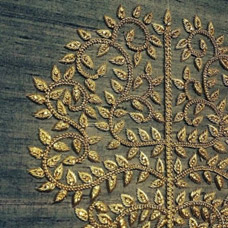
Varanasi is renowned for its stunning Zari, or Zardosi, embroidery. This intricate technique utilises rich gold threads to craft beautiful designs and patterns on sarees and other garments. The famous Banarasi sarees are a prime example, showcasing the dazzling effect of Zari work. Traditionally, real gold and silver threads were used, making these textiles luxurious and a prized possession, especially for weddings in North India. While some artisans continue this heritage, others incorporate synthetic threads for affordability. Regardless of the material, Zari embroidery imbues fabrics with a captivating weight and an undeniably exquisite look.
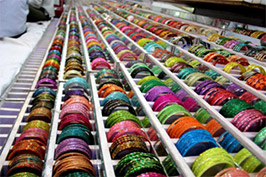
Uttar Pradesh has a rich legacy of glassware making in many locations. Firozabad's vivid bangles come in a variety of colours to match any dress.Firozabad is renowned for its complete glassware sector, which has evolved from bangles to a wide range of items like jars, vases, candle stands using contemporary equipment. Varanasi focuses in making and exporting glass beads. Similarly, tiny glass plates are created, which are then chopped into pieces known as "tikklu" and used by women to embellish their clothes. Saharanpur is famous for its mesmerising glass toys filled with coloured liquids and hookah mouthpieces.
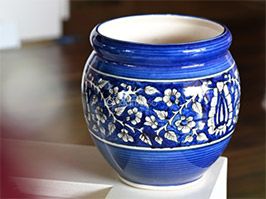
Hailing from Khurja, a town aptly nicknamed "The Ceramic Town" in Uttar Pradesh, Khurja Pottery boasts a rich heritage spanning over 500 years. This distinct style sets itself apart by using a unique clay mixture that incorporates feldspar and quartz, enabling natural glazing before the pottery is even shaped. Khurja Pottery is known as one of India's oldest glazed pottery traditions, and its identity is marked by vibrant blue or brown floral designs adorning off-white backgrounds. Interestingly, the craft's history reveals a transition from red clay pottery to blue glazed techniques, and even the incorporation of white clay engravings for intricate designs. Today, Khurja Pottery enjoys protection under the Geographical Indication (GI) status, a testament to its unique heritage and cultural significance.
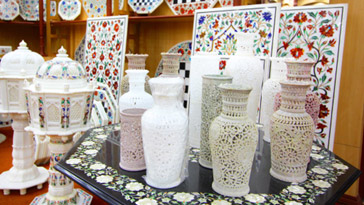
Agra, synonymous with the Taj Mahal's grandeur, boasts a thriving tradition of stone craftsmanship. Beyond the iconic monument, skilled artisans practise both intricate stone carving, often using soapstone for delicate details, and the captivating art of inlay work. This latter technique, known as Pietra Dura, adorns white marble with semi-precious stones, a practice that flourished under Mughal emperor Shah Jahan.Pietra dura technique first appeared in the sixteenth century Rome.From delicate lattice windows to intricate decorative pieces, Agra's stone crafts offer a piece of history and exquisite artistry to take home.
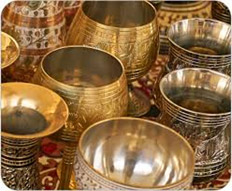
Moradabad, a city in Uttar Pradesh, is renowned for its exquisite art metal ware. This craft is particularly celebrated for its vibrant coloured enamelling and detailed engravings. There are two distinct engraving styles: nakshi, which adorns tinned surfaces, and khudai, where intricate designs are etched onto unpolished brass coated in lac. Notably, khudai engravings utilise a pointed steel pencil.
The brassware itself encompasses a delightful range of items, from traditional vases and statues of Ganesha and the Laughing Buddha to stools, trays, and even contemporary bowls.
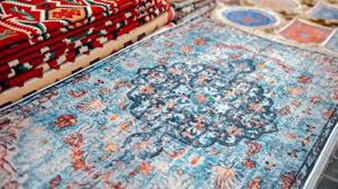
Following the rich traditions of Persian and Arabian carpets, India offers its own distinctive beauties – carpets woven in Bhadohi, Shahjahanpur, and Mirzapur. Carpet weaving is a deeply ingrained profession for a large portion of the population in these regions. The carpets themselves are adorned with captivating designs that showcase India's cultural heritage. From intricate flora and fauna motifs to iconic landmarks like the Taj Mahal, these carpets also depict traditional patterns like "Kethariwala Jal," "Jamabaz," and "Kandhari."
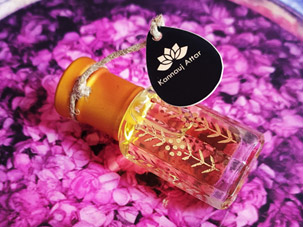
Kannauj perfume, also known as attar, boasts a rich heritage in India. Hailing from Kannauj, a city nicknamed "The Perfume Capital of India", this fragrant tradition has been captivating senses for over 5,000 years.Kannauj attar is known for its use of natural elements like flowers, herbs, spices, and even earth! Traditional processes, such as steam distillation in copper pots, extract the pure essence of these elements. This rigorous technique yields distinctive and long-lasting scents.Kannauj attar offers a wide range of scents, from earthy to floral. Popular choices include sandalwood and rose attar.
Kannauj attar is not just a perfume; it's a cultural treasure. Many believe these natural perfumes possess therapeutic properties, adding another dimension to their allure. Whether seeking a unique fragrance or a captivating piece of Indian heritage, Kannauj perfume offers a truly special experience.


