

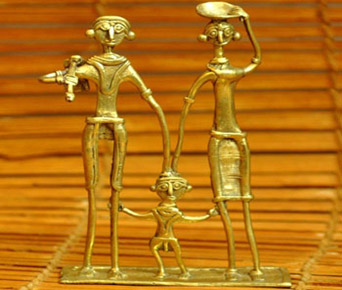
Dhokra or Dokra, is also known as bell metal craft. It is a tribal metal craft practiced in Jainoor Mandal, Adilabad District of Telangana. It is also practice by the Ojha metal smiths living in states like Jharkhand, Chhattisgarh, Odisha,West Bengal and most commonly in Telangana. The Dokra products are crafted using brass, bronze, silver and gold metals with reliable procedure of lost wax technology with no mould being used twice. The craft mainly involves folk motifs, peacocks, elephants, horses, lamp caskets and other simple traditional designs and it’s a highly labor intensive work and time consuming.
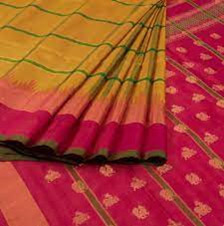
Gadwal is a world famous handloom zari sari weaved by highly skilled craftsmen of the state Telangana. The origin of these saris can be traced back to about 200 years, to the time of Gadwal samasthanam and the efforts of Queen Maharani Adhi Lakshmi Devamma who promoted the craft. These are cotton saris with an attached silk border and silk pallu. The material used in fabricating the handlooms are silk, cotton and zari. The use of fine cotton makes the sari feather light and it can literally be folded into the shape of a small match box. The silk border is either Tasar or mulberry and the body is often of unbleached cotton. The sari is completely hand woven.
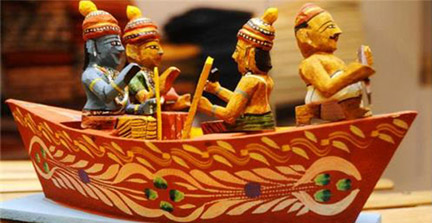
Nirmal toys are traditional wooden toys that are exclusively made in the town of Nirmal in Adilabad district of Telangana and it is also called land of toys. The town has been famous for its production of many items especially war cannons and toys, made of finely craved wood. The Nirmal toys are made up of locally available “Ponki Chekka” which is very light and flexible, can be cut into desired shapes and sizes depending upon the toy to be made. The local craftsmen have mastery in wooden engravings. The unique feature of this crafts is that, locally available materials are used, whether it is for furniture, toys, plaques, bangles, or jewellery boxes.
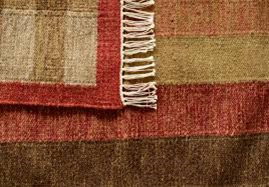
The history of Warangal handloom dhurries can be dated back to the period when Mughals entered the Deccan region of Southern India. It is inspired by the jainamaaz, or the flat-weave prayer rug used by people in the late 1600s. Today, Warangal dhurrie weavers primarily belong to the Padmasali community of Telangana. The handloom is known for its geometric, angular, floral as well as tribal patterns in India and in International markets. The dhurries are commonly made of using cotton yarns, with wool or jute making occasional appearances. Warangal dhurries of Telangana were acknowledged a GI Tag in 2018 but their power-loom counterparts pose a serious threat, despite the fact that handloom dhurries are more durable.
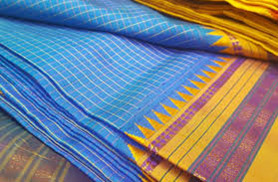
Narayanpet Saris are traditional handlooms made in Narayanpet, a town in Mahbubnagar District, Telangana. The sari is known for its quality zari check patterns on a silk or cotton body with a contrasting colour temple border and plain border on both sides. It originally came through a Marathi influence; patronage of Shivaji, the Maratha ruler who once travelled to the region along with some weavers. It is these weavers, who reportedly brought this tradition in the region. Later it continued as a tradition and flourishes very much in the region today.
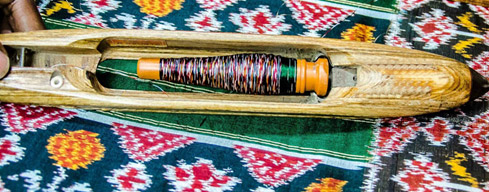
Pochampally, in Yadadri-Bhuvanagiri district of Telangana is world-famous for its Ikat designs. The saris are weaved by skillful craftsman and popularly called as the Ikat or Tie and Dye weave. Telangana is considered as one of the ancient Ikat weaving centers of India, in addition to the states like Gujarat and Odisha. Pochampally Ikat is a well-known form of sari made in Bhoodan Pochampally and these are popular for their traditional geometric patterns with the Ikat style of dyeing. Pochampally village has made it to UNESCO tentative list of world heritage sites under the "iconic sari weaving clusters of India".
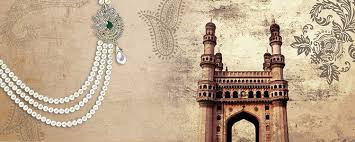
Hyderabad, the capital city of Telangana has long been known as the ‘pearl city due to its thriving trade in magnificent pearls and numerous forms of pearl jewellery. Hyderabad is considered as the largest trading centre for pearls in India as it dated back to 16th century. The Nizams made the city a hub for pearls trading. The most famous concentration of pearl market is clustered in and around area of Charminar. From classic pearl strands to elaborate pearl – studded bridal jewellery; pearls play a central role in Hyderabad’s cultural celebration and rituals, adding a touch of timeless beauty.
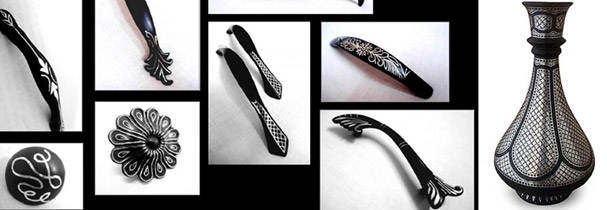
Bidriware was first practiced in ancient Persia and it was brought to India by the followers of Khwaja Moinuddin Chisti. The term 'Bidriware' therefore represents the manufacture of a unique metalware or metal handicraft that is named after the region of Bidar (Karnataka) and flourished in the region of Hyderabad. The craft involves various stages of casting, engraving, inlaying and oxidizing. Flower vases, motifs, religious idols, lamps, wall hanging are some popular items made using Bidri crafts and create designs like flowers, leaves and also geometric designs.
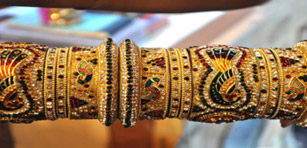
Lad bazaar in Hyderabad is an old city and is the main production center for lac bangles. The craft originated over 500 years ago during Mughal period. Lac bangles were worn by women in the royal households, which were decorated with precious stones as a symbol of royalty. The bangles of different sizes and unique designs are created according to the latest trend. Motif designs are created as per the festive occasion. Traditional bangles are manufactured locally in Hyderabad and glass bangles are manufactured in Firozabad. This beaded work is design by skilled craftsmen of the capital state of Telangana.
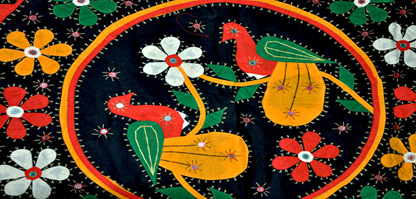
Banjara Embroidery and Needle works are made significantly by the nomads of Telangana. The colorful and rural lifestyle of Banjaras is displayed in their high-spirited clothes. The embroidery is unique in its style and the incomparable quality is achieved with a combination of brightness and originality. The colourful embroidery symbolizes the vibrant life style of the Banjaras. The different set of products made from the embroidery includes bags, purses, belts, cushion and pillow covers, quilts and bed spread, apart from skirts, salwar suits, blouses etc for women. Embroidery is carried using colourful thread, silver, brass, cowrie shells, gold and animal bones, mirrors, ivory etc.


