

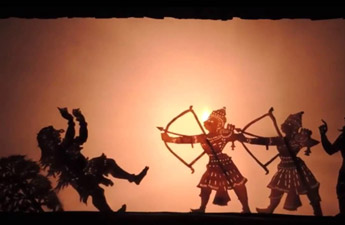
Odishan shadow puppet performance known as Ravana or Rabana Chhaya, or "the shadow of Ravana," begins at night with the auspicious custom of breaking a coconut and reciting hymns to Lord Ganesha and Rama. The program is based on the seventeenth-century Odia poet Vishwanath Khuntia's poetry collection “Vichitra Ramayana”. The puppets utilized are made of a single component that lacks color and joints. They cast opaque shadows on the screen, and handling them takes an enormous level of skill. They are designed in brave, dramatic poses and are composed of deerskin. In addition to human and animal characters, a variety of props are employed, including chariots, trees, mountains, and more. The Ravana Chhaya puppets are smaller approximately between six inches to two feet, they usually don’t have jointed limbs. A remarkable and profound performance is produced using music, poetry, and religious stories told by narrators.
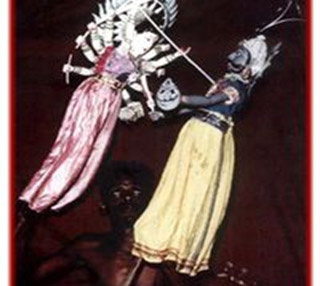
Kathi kundhei nach, a traditional rod puppet theatre from the state of Odisha, combines song, dance, and drama. The puppets, which have full skirts and shirts and are carved, painted, and dressed in the Odishan style of Jatra (theatre), can reach a height of 60 centimetres. The puppets are attached at the shoulders, and the shoulder joints are attached to two rings within the puppet's body by strings that may be pulled to move the arms of the character. The painted and carved wooden head is supported by the pole. With the use of strings, puppeteers who are seated on the ground behind a screen portray scenes from the Puranic and epic stories, such as the Ramayana and Mahabharata. A group of people manipulates the puppets while musicians play cymbals, drums, and reed instruments like the Indian flute and clarinet, as well as the harmonium, which has just lately been added. These days, staging might be more sophisticated, taking place on a booth stage that has painted backgrounds and a curtain.
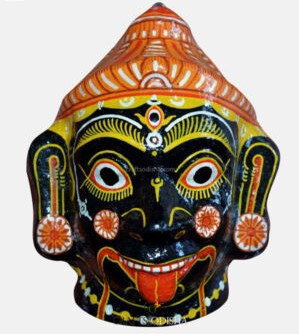
Odisha is famous for the art of moulding Paper Mache into a variety of items, such as masks known as Mukha in the region. Craftsmen from all throughout Odisha have been practicing this technique in an innovative way, especially in and around Puri. These masks are robust and long-lasting in addition to being incredibly gorgeous. This craft has been greatly influenced by the tradition of folk theatre, or Jatra. These Jatra masks are painted brightly to make them seem appealing. They are constructed of wood, sholapith (white-spongy wood), and Papier Mache. The characters are controlled by strings and are clothed in costumes appropriate to the roles they perform. The painters utilise masks based on the characterisations. As a result, the craft of creating masks gave rise to the craft of creating masks out of unique mixture of paper. One of the numerous mask-making clusters in eastern India is Chadhiapalli. The village is in the Ganjam district of Odisha's Bhanjanagar block. The most well-known and well acclaimed mask in Chadhiapalli is the "bagho mukha," or tiger mask. Other well-known animal and mythological masks include those of Narasimha, Ganesha, and Kaali, as well as deer, cow, goat, elephant, horse, swan, peacock, and others
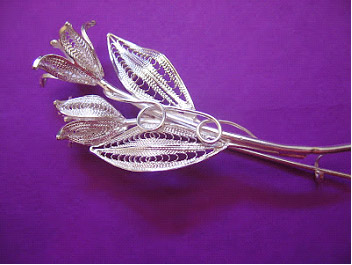
A delicate form of craftwork known as filigree, or Tarakasi, involves shaping silver strings to create jewellery, models, and showpieces. Famous filigree works come in three different forms: rose, siko, and jari. Some of the metal makers use tools, but the artisans create the silver webs entirely by hand. The technique used to make filigree is unusual. Instead of using carvings, this technique is accomplished by bending the fine hair and linking it like silver wires bit by bit. The design is set in place as an outline which is used as raw design with the help of the thick silver wires. The heat of the fire shapes and joins the hair like thin silver wires. The finished pattern is given a final polish by being dipped into diluted sodium oxide for cleaning. "Rupa Banias" or "Roupyakaras" are the names of the artists that work on this filigree piece. These are extremely skilled traditional goldsmiths, some of whom work as temporary employees, some run their family business, and others are self-employed.
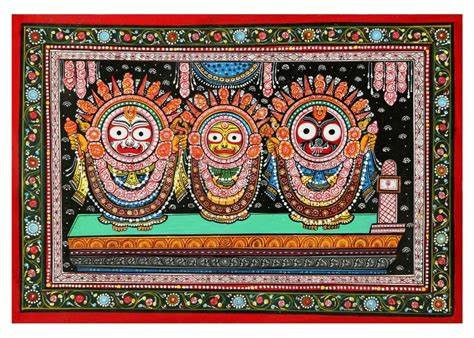
Pattachitra is the traditional painting of Odisha. These paintings are based on Hindu mythology and specially inspired by Jagannath. The Pattachitra when painted on cloth follows a traditional process of preparation of the canvas. First the base is prepared by coating the cloth with the soft, white, stone powder of chalk and glue made from tamarind seeds. This gives the cloth tensile strength and a smooth, semi-absorbent surface, allowing it to accept the paint. The artist does not use a pencil or charcoal for the preliminary drawings. It is a tradition to complete the borders of the painting first. The painter then starts making a rough sketch directly with the brush using light red and yellow. The main flat colours are applied next; the colours used are normally white, red, yellow, and black. The painter then finishes the painting with fine stokes of black brush lines, giving the effect of pen work. When the painting is completed, it is held over a charcoal fire. This makes the painting water resistant and durable, besides giving it a shining finish.
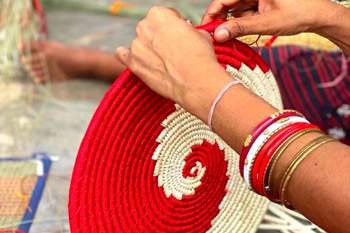
Sabai Grass is known as ‘Babuii’ or ‘Bobai Ghaso’ locally. It looks like any other grass that grows in wild forest fringe areas of Odisha. Mayurbhanj district in Odisha is a famous centre of Sabai Grass weaving. It is light, easy to work with and it can be dyed easily. Once used to make rope, this natural fibre is now stylishly fashioned into products such as baskets, cots, furniture, wall hangings, decorative boxes and coasters. Handmade, natural and eco-friendly, these products have gained popularity worldwide. Sabai Grass is also used in the paper industry, where it binds bundles of paper. It is also called ‘Money Plant’ as Sabai Grass has become a source of income for communities in the regions that offers little to no way of economic opportunities. Since it is widely used, grass cutting, transporting, and sun-drying provide employment to many people in the regions where it grows.
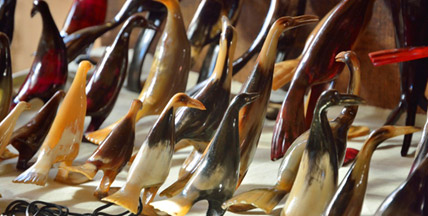
The mystical Odisha’s Horn Work highlights exceptional design. The horn articles usually resemble with the real objects of nature in terms of vibrant appearance and liveliness. Many of the horn pieces in Paralakhemundi have small emphasis of silver filigree, giving them an odd silver appearance. Horn items from Paralakhemundi, which is in the Gajapati district of Odisha, highlights the area's rich cultural history. In Cuttack, bangles and ornamental jewellery are made by combining horn and filigree art. Several skilled craftspeople in Odisha additionally use bull and buffalo horn to create everyday items like combs, pen stands, flower vase and due to this there is a decline in the availability of bulls and buffaloes, specifically the Paralakhemundi buffalo known for its long horns, has severely impacted the craft. This breed has been extinct for over two decades, leading artisans to source horns from other regions at high costs, which has made the craft economically challenging to sustain.
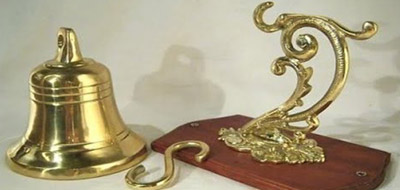
Things made of metal, particularly brass is pride of Odisha. Brass and bell metal is used to make utensils, bronze bangles and pots which are important aspects of Odishan art. Many things like beautiful lamps, lamp-stands, Rice-measuring bowls are made of brass are used in many homes. The artisans also make elephants and horses from brass and decorate them with intricate designs. Containers of brass for betel-chewers are designed both to be useful and ornamental. There are household articles and utensils made of brass and bell metal and they are of different shapes and sizes. The brassware of Odisha reveals the high workmanship of the artisans and their unique innovations.
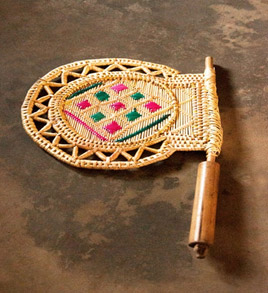
Golden grass is a reed belonging to the grass family. Locally grown on marshy land and near the banks of rivers, this grass grows in tall clumps. It is also known as Kaincha in the local dialect but is popularly known as Golden grass, owing to the golden shine that it acquires after it dries. Jajpur district in Odisha is a flourished hub of golden grass handicraft. Golden Grass Handicrafts in Jajpur District include utility items like mats, baskets, fans, and bowls. Golden Grass crafts of Odisha has emerged as a major livelihood to the rural women of Odisha. The handmade Golden Grass craft is providing meaningful employment and financial independence to the women. However, the Golden grass craft has evolved with time from a local craft to one that is making waves even on the global stage. Today golden grass has become the material for designer jewellery and other fancy fashion accessories.
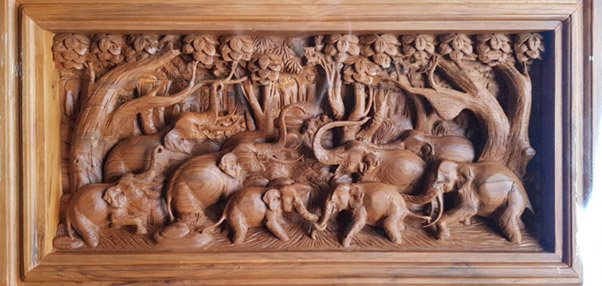
Old crafts from Odisha include the crafting of stone and wood. Through the inherited talent of stone carving, the descendants of the artisans who formerly reached extraordinary levels of excellence in temple building have preserved the sculptural tradition. Replicas of temples, representations of gods and goddesses, the Konark wheel and horse, and ornamental figurines like lekhika (the writing lady), surasundari (heavenly beauty), alasa kanya (the lazy damsel), salabhanjika (a lady leaning against a branch), and others are among the carved products that are commonly used as home decor. Odisha’s wood sculptures are massive and beautiful as they are smooth, polished and not painted.
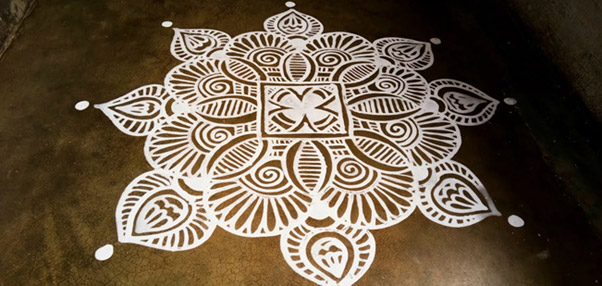
Muruja is basically rangoli which is drawn on the floor with powders of different substances. White powder is obtained from the grinding of stones, green powder is obtained from dry leaves, black from burnt coconut shells, yellow from the petals of marigold flowers or turmeric, and red from red clay or bricks. Muruja is generally used during rituals in the forms of mandalas. In the holy month of Kartik,women draw Muruja designs near the Tulsi plant. Drawing of Muruja designs needs a lot of skill and practice. The powder is held between the tips of the thumb and the forefinger, and allowed to fall delicately through them to form lines and patterns which are a delight to the eye.
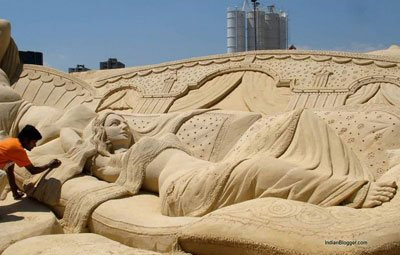
In Odisha, a unique type of art form is developed at Puri. To carve a sand sculpture, the raw material is the clean and fine-grained sand mixed with water. With the help of this type of sand, with the blessings of God and by the magic of fingers, an artist can carve a beautiful and attractive sculpture on the beach. Odisha excels in creating sculptures from sand. Evidently, Sand Art is one of the worldly-famous arts that resides here in Puri, Odisha. The state also hosts an International Sand Art Festival. The carving on sand is easier and quicker than carving on a rigid stone. The process of learning the art of carving on sand is easy. So, within a short period of time a learner gets a clear-cut idea about the carving. Though these sand sculptures are very eye catching and transferable, it is also destroyed easily and due to this the practice of sand art is not being practised.


